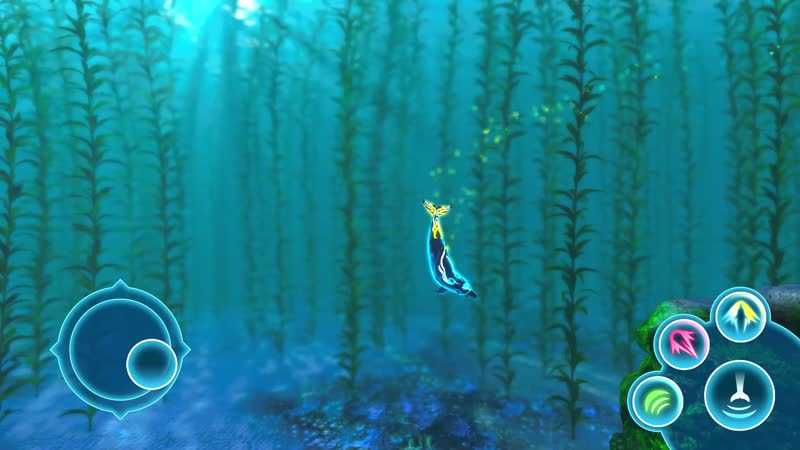
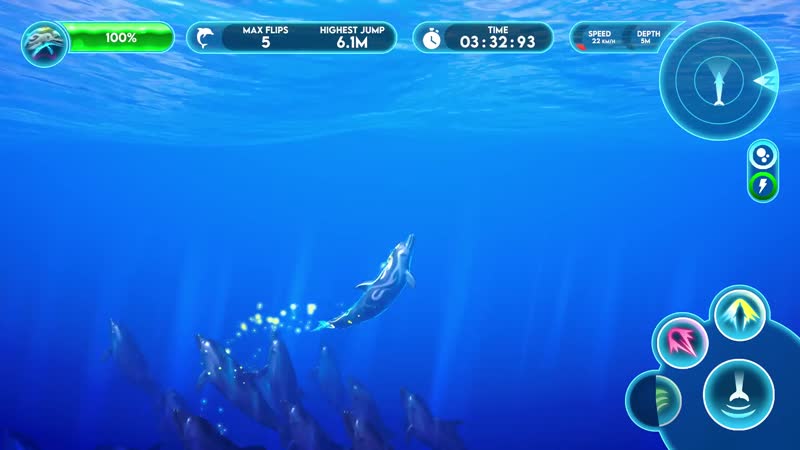
Great games shouldn’t need a great graphics card. A huge number of players are gaming on hand-me-down laptops, school computers, older MacBooks and mid-range phones, and too often they’re told a game “isn’t supported” before they even get to play. At Superheart we think that’s backwards. If a game is about caring for the planet, it should be open to everyone on it.
That’s why Tap Oceans is being built to launch on mobile and Steam, and to run well on modest hardware from day one. Here’s how we think about it.
Accessibility starts with the device in your hand
When people talk about accessibility in games they often mean subtitles, colour-blind modes and remappable controls, and those matter a lot. But there’s another barrier that gets less attention: hardware. If your game needs a new console or a gaming PC, you’ve quietly shut out students, families on a budget, and players in regions where high-end devices are expensive or hard to find.
Designing for older and cheaper devices isn’t a compromise. It’s an invitation.
Mobile-first makes everything better
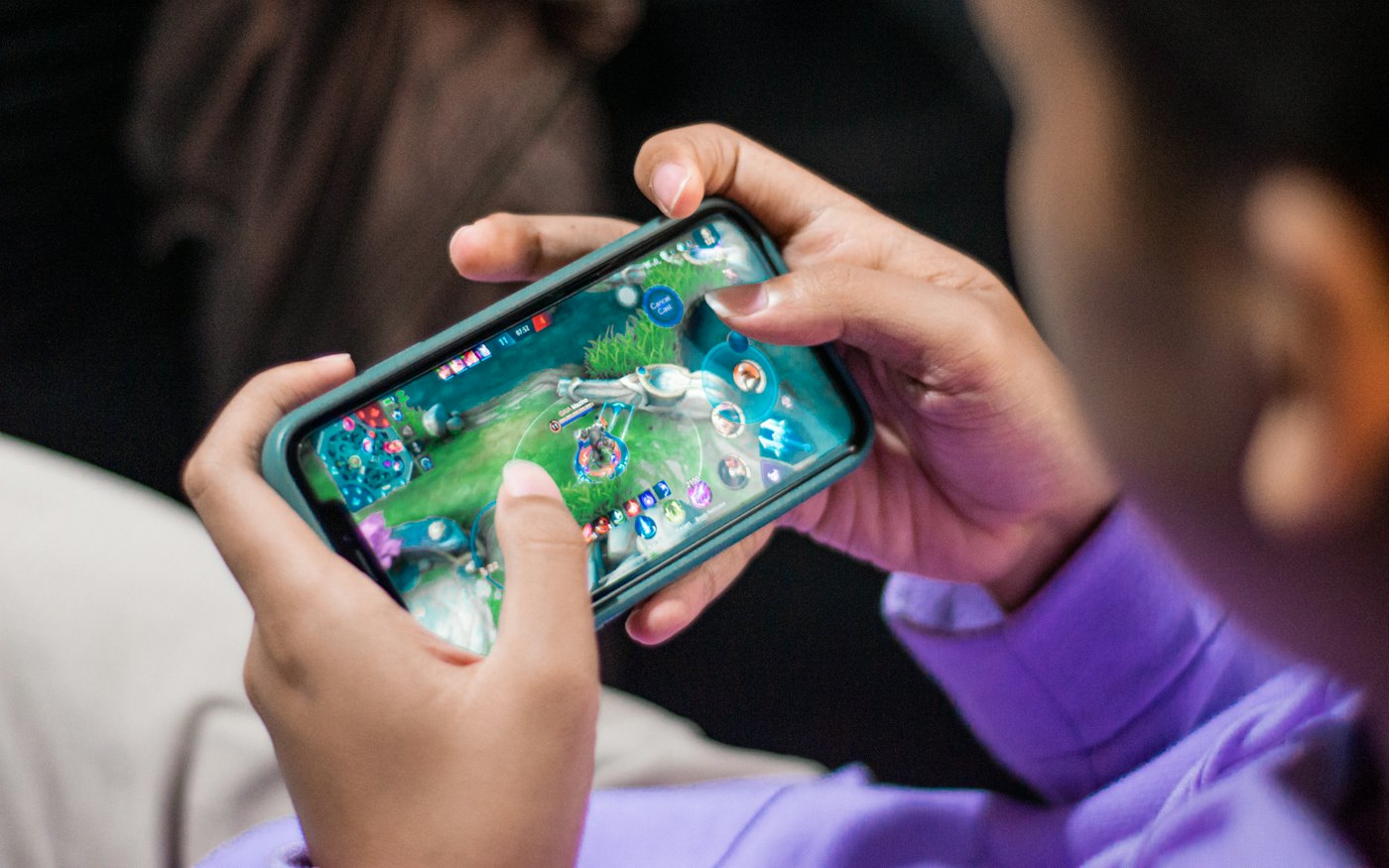
We build mobile-first. A phone is the toughest place to run a 3D game: small batteries, limited memory, thermal limits and a huge range of chipsets. If a scene runs smoothly on a mid-range phone, it will fly on an older laptop, and it leaves plenty of headroom on a modern PC or Mac.
Starting from the smallest target forces good habits early:
- Tight budgets for polygons, draw calls and texture memory, set per scene and checked as we build.
- Simple, readable art that looks great because of colour, shape and lighting, not because of raw detail.
- One-finger controls that translate naturally to a mouse, a trackpad or a controller.
Unity URP: one pipeline, every screen
Unity’s Universal Render Pipeline (URP) is built for exactly this. It’s designed to scale from phones up to desktops, so a single project can target iOS, Android, Windows and macOS without maintaining separate versions of the game.
A few of the techniques that make the biggest difference for us:
- Quality tiers. URP lets us ship several renderer settings and pick sensible defaults for each device, with options players can adjust themselves.
- Baked lighting and light probes instead of lots of real-time lights, so reefs glow without melting a GPU.
- Batching and instancing (SRP Batcher and GPU instancing) so schools of fish and fields of coral cost a fraction of what they would otherwise.
- Level of detail (LOD) and smart culling so the device only draws what you can actually see.
- Compressed textures and atlases sized for mobile first, which keeps downloads small and loading fast.
- Adjustable resolution scale and frame-rate caps so older machines stay smooth and phones stay cool.
- Profiling on real, older hardware, not just on our development machines.
Online 3D without the high-end price tag
Being online shouldn’t mean being heavy. We keep network updates lean, sync only what other players need to see, and let the game degrade gracefully on slower connections. The goal is simple: whether you’re on a budget Android phone, a five-year-old MacBook Air or a school laptop, you can join in, play together and have a good time.
Mobile and Steam, side by side
Launching on mobile and Steam means you can pick up the same ocean on your phone on the bus and continue on a laptop at home. It also means more people can find the game in the place they already play. One codebase, tuned once for the smallest screen, gives everyone the same heart-first experience.
What’s next
Accessibility is a practice, not a checkbox. Alongside performance we’re continuing to work on readable text, colour-friendly palettes, and controls that are comfortable for everyone. If you’re playing on an older device and something doesn’t feel right, we genuinely want to hear about it.
Great games for everyone, on whatever you’ve got. That’s the Superheart way. 💖